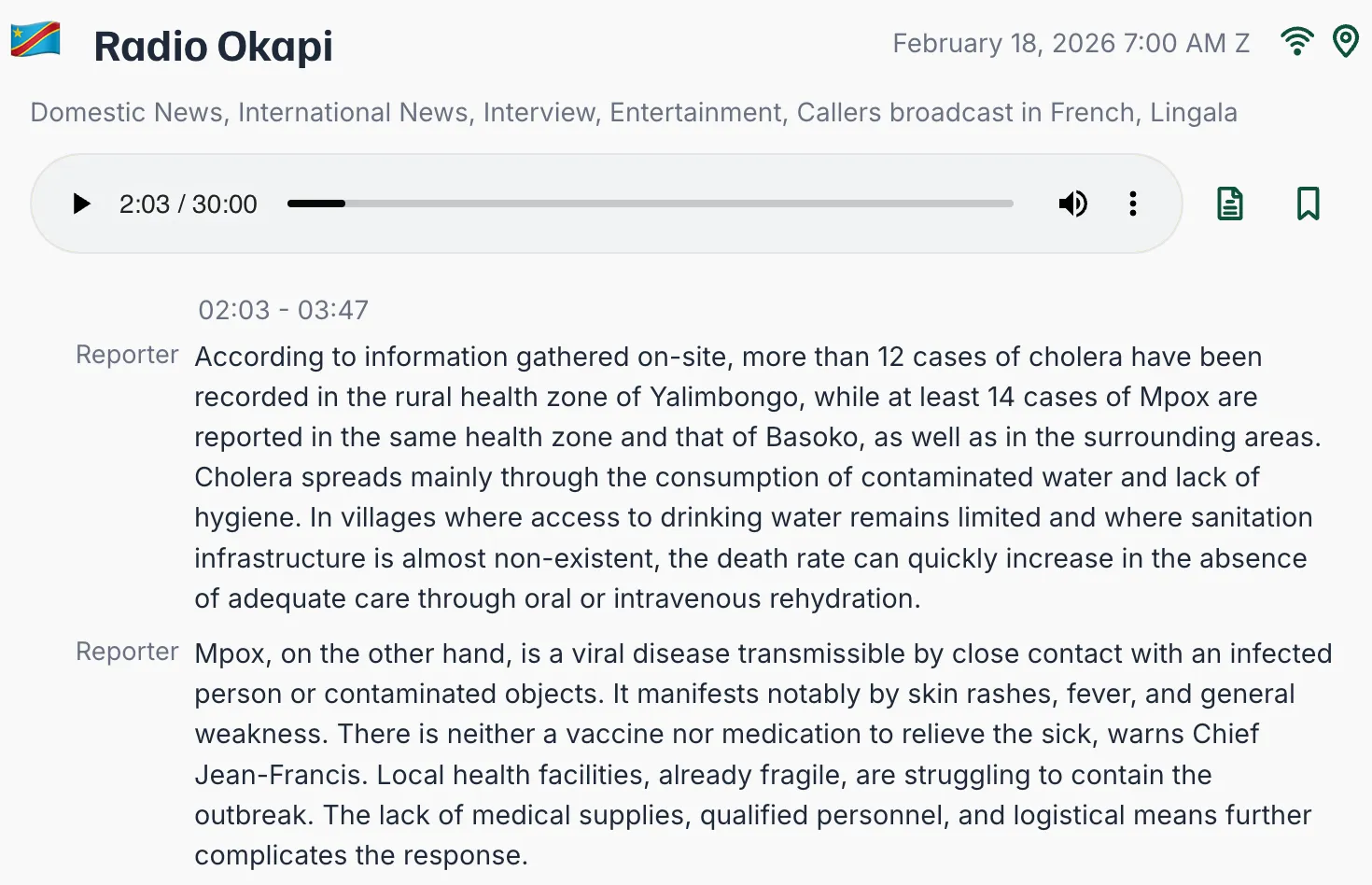
On Air, On Alert: Radio's Voices on Mpox in Africa
Two countries in very different states of an outbreak, but in both, communities are making one thing clear: they want vaccines.
Read story
Insights from the field — how radio monitoring shapes understanding in complex information environments.

Radio broadcasts and caller sentiment reveal heightened anxiety regarding the resurgence of Lassa fever in Nigeria, characterized by 'fatigue' over recurring outbreaks mixed with acute fear in newly affected areas.
Read story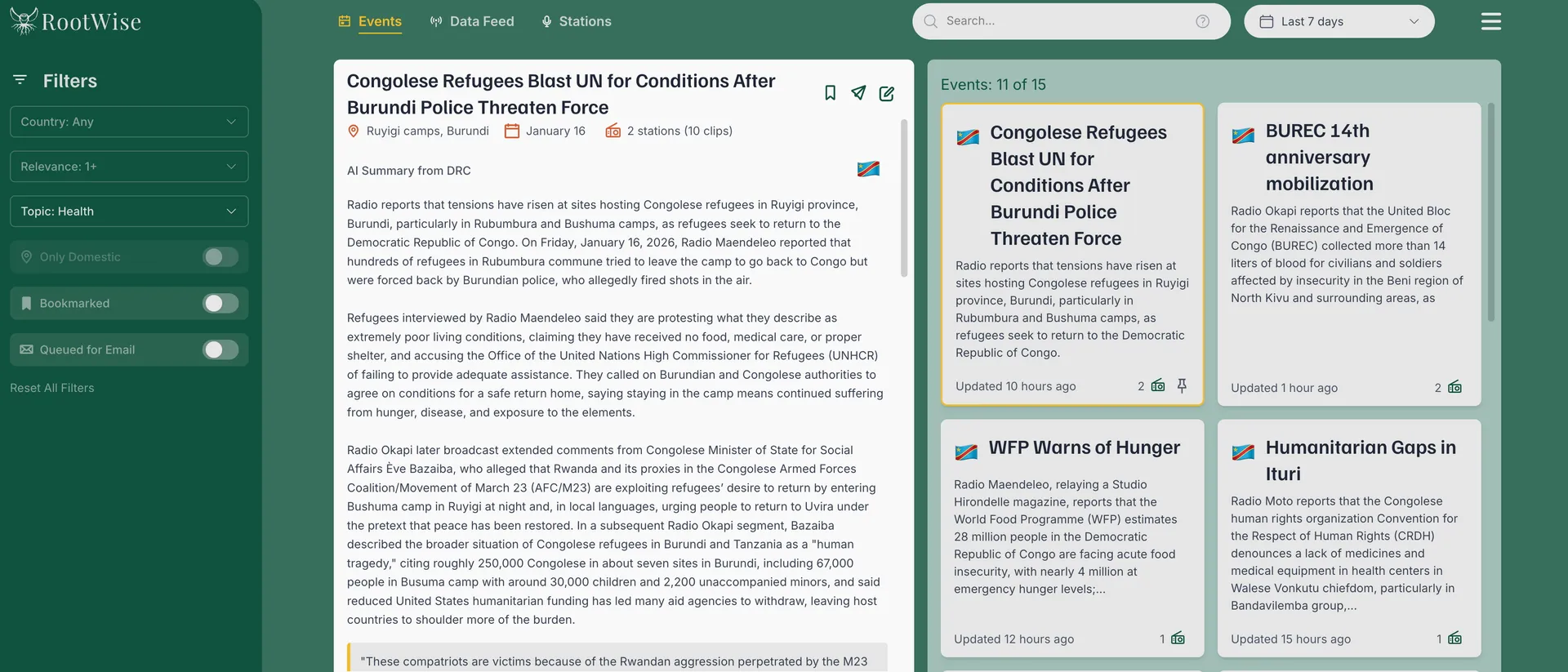
The customer's insight drove us to innovate and fill that gap with a new data model for an "event." Our Events page has become our most popular and accessible offering.
Read story
The large-scale violent protests and at least 23 deaths in Kenya this week are a direct response to the proposed Finance Act backed by President William Ruto. The movement was led by young social media influencers, demonstrating the power these individuals hold in shaping public opinion.
Read story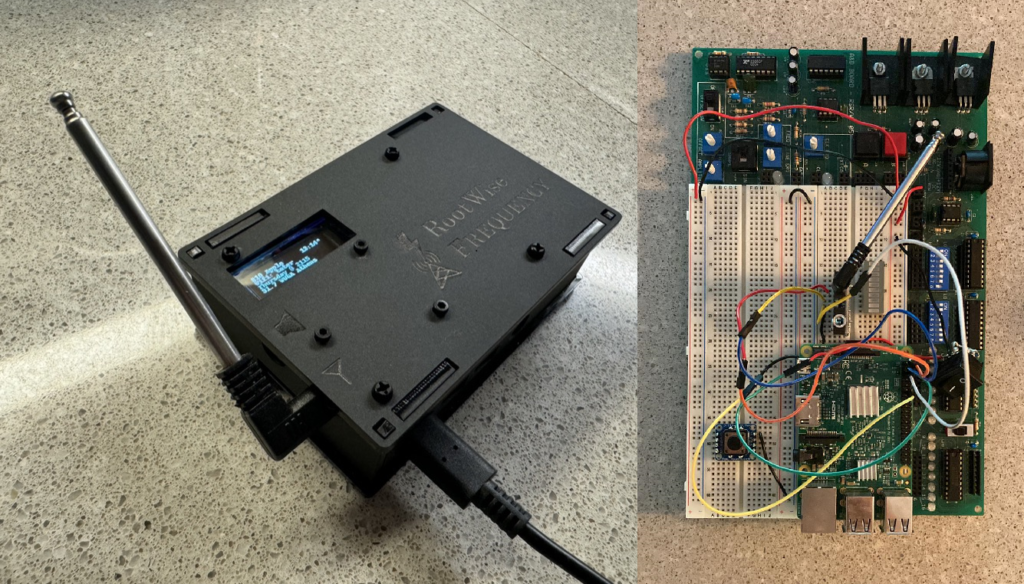
Since its inception in the early 1900s, FM radio has become one of the most ubiquitous technologies in the world. Despite rapid advancements in radio frequency technology, it is still widely utilized globally. Why?
Read story
Even casual observers understand that the COVID-19 pandemic unleashed a new level of vitriol and distrust towards public health messages and messengers. The World Health Organization popularized the term “infodemic” to describe the cacophony of false or misleading information that spread on social media, social messaging apps, and in everyday conversations.
Read story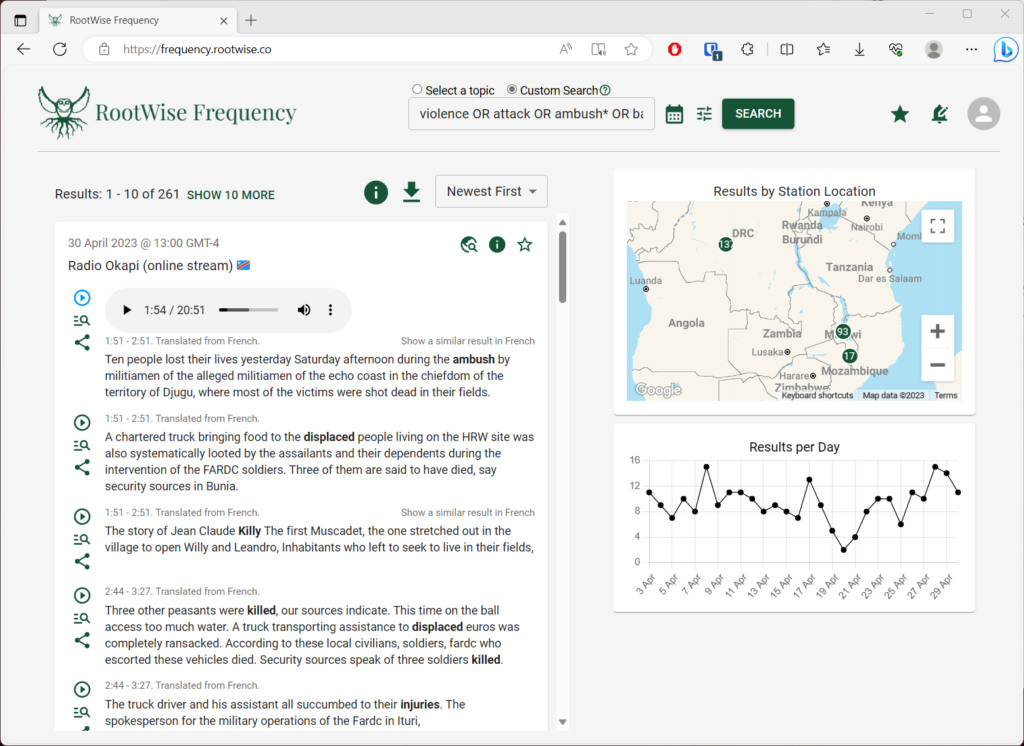
'Radio remains overwhelmingly the most common source for news in Africa' according to a 2022 report by Afrobarometer. This is particularly true for rural populations that are often most in need of humanitarian assistance in Eastern DRC.
Read story